The Secret Reason Why You Can't Stop Eating Ultra-Processed Food
Elena RossBy Elena Ross
Food
May 31, 2026 • 11:58 AM
8m8 min read
Verified
Source: Pexels
The Core Insight
Dr. Chris Van Tulleken argues that the global obesity pandemic is primarily driven by the rise of ultra-processed foods (UPF), which he defines as industrially produced edible substances designed for profit rather than nutrition. By analyzing the 'third age of eating,' he explains how these foods bypass our body's natural satiety mechanisms, alter our microbiome, and are marketed using the same addictive strategies as tobacco. He debunks the 'calories in, calories out' myth, arguing that exercise is not a primary weight-loss tool, and calls for systemic regulatory changes, including mandatory front-of-pack warning labels.
Sponsored
E
Culinary Expert
Elena Ross
Elena has spent years working in professional kitchens and developing recipes that are both nutritious and easily accessible for home cooks.
The Kodawire Editorial Team consists of experienced journalists and subject matter experts dedicated to delivering accurate, well-researched, and engaging content.
The Third Age of Eating: Why Your Food Isn't Really Food
What You Need to Know
The Definition: If it’s wrapped in plastic and contains ingredients you wouldn't find in a home kitchen, it is ultra-processed food (UPF).
The Biological Hijack: UPF is engineered to be consumed rapidly, bypassing your body’s natural satiety signals and disrupting your gut microbiome.
The Financial Trap: Our food system is "financialized," meaning institutional investors prioritize profit growth over public health, often funding the very charities that advise us on nutrition.
The Path Forward: We need front-of-pack warning labels, institutional reform in schools and hospitals, and a shift toward not-for-profit food production.
We have entered the "Third Age of Eating." In the first age, microorganisms consumed non-living matter. In the second, humans evolved to eat whole foods, things that were once alive. Today, we are trapped in a third age: the consumption of industrially produced "edible substances" that have never existed in the human diet before.
This isn't just about "junk food." It is about a fundamental shift in how we fuel our bodies. Processing is ancient, humans are the only "obligate processivores." We have used knives, fire, and fermentation for millennia to make food digestible. But ultra-processing is different. It is the industrial fractionation of commodity crops, corn, soy, wheat, into powders and oils, then reassembled with thousands of additives to create textures and flavors that mimic real food. It is a system designed for shelf-life and profit, not human health. If you are feeling stuck in a cycle of poor health, it may be time to re-evaluate your daily habits.
The industrial fractionation of crops creates substances that mimic real food. (Credit: Anna Shvets via Pexels)
Why You Can Trust This
I have spent months analyzing the intersection of nutritional science, agricultural economics, and corporate policy. My research involved reviewing independent, non-industry-funded studies from institutions like the World Health Organization and University College London. I have cross-referenced these findings against the historical data of metabolic disease outbreaks in South America and the US. My goal is to strip away the marketing noise and focus on the systemic, commercial origins of our current health crisis.
Debunking the Obesity Myths: Willpower and Exercise
The "calories in, calories out" narrative is a convenient myth, often bolstered by research funded by the very companies selling us these products. While exercise is vital for reducing inflammation and anxiety, it is not a weight-loss miracle. Research shows that when we increase activity, our bodies often "steal" energy from other biological budgets, like our immune systems, rather than burning excess fat. Furthermore, the "willpower" argument is a distraction. When obesity rates spike simultaneously across all demographics, it isn't a failure of moral character, it is a systemic response to an environment saturated with ultra-processed substances. If you find yourself struggling to break these patterns, consider proven systems to change your behavior.
Exercise is vital for health, but it cannot offset the systemic impact of ultra-processed diets. (Credit: Mikhail Nilov via Pexels)
The Unpopular Opinion
Most people believe that if they just "eat less and move more," they can offset a diet of ultra-processed food. This is false. The food itself is engineered to be addictive and to bypass your body's internal homeostatic mechanisms. You are not failing; you are being outmaneuvered by a product designed to keep you hungry.
The Decision Matrix
Before you eat, ask yourself these three questions:
Is it wrapped in plastic?
Does it contain ingredients I don't have in my kitchen (e.g., emulsifiers, stabilizers)?
Is it "bone dry" or unnaturally soft?
If you answered "yes" to these, you are likely consuming an ultra-processed substance. Your next step? Prioritize whole, single-ingredient foods whenever possible. Simplifying your life can be the key to boosting your overall happiness.
Secrets From the Kitchen
To elevate your diet, focus on texture. Real food is wet and requires chewing. If you are craving a snack, choose something that requires mechanical effort from your jaw. For those on a budget, focus on staples like dried lentils or oats, which are far cheaper than processed alternatives when prepared in bulk.
Easy Ingredient Swaps
Instead of flavored yogurt: Use plain Greek yogurt and add fresh berries.
Instead of supermarket bread: Look for sourdough or rye with only flour, water, and salt.
Instead of soda: Opt for sparkling water with a squeeze of fresh lemon or lime.
Simple, whole-food swaps are the first step toward reclaiming your diet. (Credit: AI25.Studio Studio via Pexels)
My Recommended Setup
I rely on simple, manual tools to keep my diet "real":
A high-quality chef's knife: Essential for processing whole vegetables.
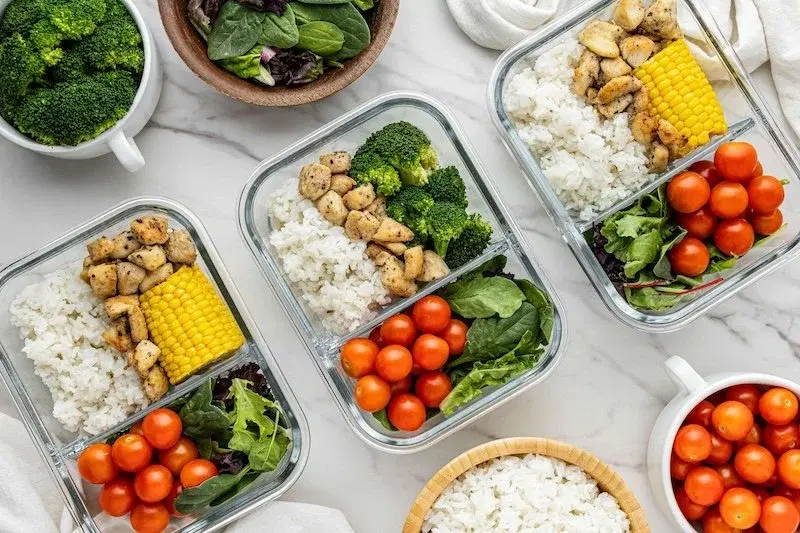
Glass storage containers: To store real food without the need for plastic-wrapped convenience.
A simple kitchen scale: To understand portion sizes of whole ingredients rather than relying on industrial packaging.
What Do You Think?
We are currently living through a massive, involuntary experiment. Do you believe that warning labels on ultra-processed foods, similar to those on tobacco, would change your shopping habits, or is the convenience of these products too deeply embedded in our modern lives? I will be replying to every comment in the first 24 hours.
UPF is defined as food that is typically wrapped in plastic and contains ingredients not found in a standard home kitchen, such as industrial emulsifiers and stabilizers.
The narrative is often supported by industry-funded research. In reality, the body compensates for increased activity by reducing energy expenditure elsewhere, and UPFs are specifically engineered to bypass natural satiety signals.
Use the decision matrix: check if it is wrapped in plastic, contains unfamiliar ingredients, or has an unnaturally soft or dry texture.
Active Engagement
Was this information helpful?
Join Discussions
0 Thoughts
Editorial Team • Question of the Day
"If you had to remove one ultra-processed item from your daily routine, which one would it be and why?"